
The Silent Beginning of Autoimmune Disease
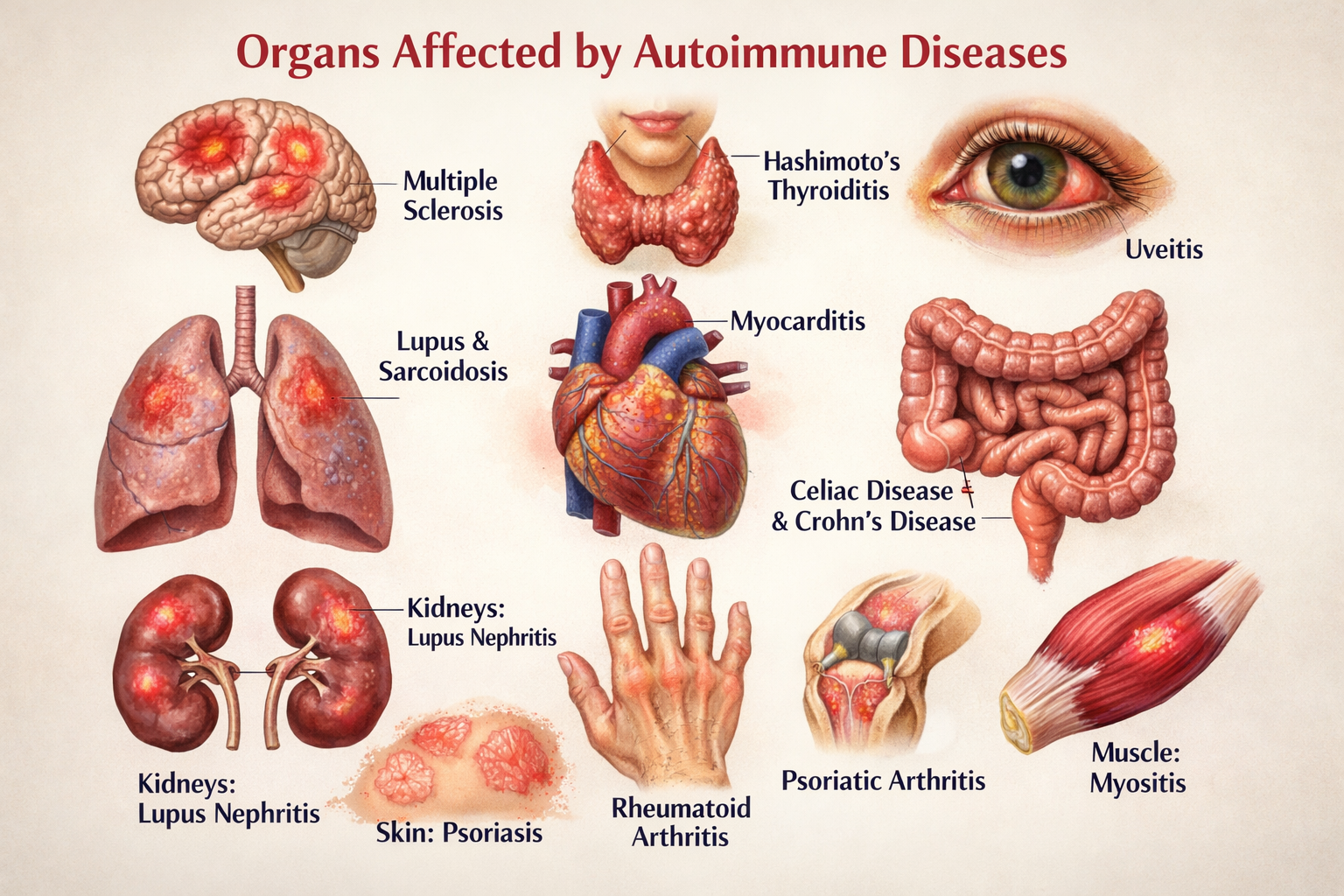
Autoimmune diseases rarely begin with dramatic symptoms. Instead, they often develop quietly, gradually affecting different systems in the body long before a formal diagnosis is made.
Many individuals spend years experiencing vague symptoms that seem unrelated—fatigue, digestive discomfort, joint stiffness, brain fog, skin changes, or mood fluctuations. These signals are frequently dismissed as stress, aging, hormonal shifts, or lifestyle issues.
However, these subtle shifts may actually represent the early stages of immune system dysregulation.
In autoimmune conditions, the immune system mistakenly identifies healthy tissues as threats and begins attacking them. Over time, this immune miscommunication can lead to diseases such as:
Rheumatoid arthritis
Hashimoto’s thyroiditis
Lupus
Multiple sclerosis
Psoriasis/ Psoriatic Arthritis
Inflammatory bowel disease
Type 1 diabetes
According to epidemiological research, autoimmune diseases affect more than 50 million Americans, and the numbers continue to rise. What many people don’t realize is that the immune system often shows warning signs years before clinical disease appears.
Recognizing these early signals may allow individuals to intervene earlier with lifestyle adjustments, nutrition support, metabolic evaluation, and functional diagnostics.
Below are some of the most commonly ignored early warning signs of autoimmune disease.
1. Persistent Fatigue That Doesn’t Improve With Rest
One of the most common—and most ignored—early indicators of autoimmune activity is persistent fatigue.
This is not typical tiredness that improves after a good night's sleep. Instead, it feels like:
Constant exhaustion
Low motivation or energy
Feeling drained even after minimal activity
Difficulty completing daily tasks
Autoimmune fatigue occurs because immune activation requires large amounts of metabolic energy. When the immune system is constantly activated, the body redirects energy resources toward inflammation and immune responses.
At the same time, inflammatory molecules known as cytokines can directly affect the brain and nervous system, leading to mental and physical exhaustion.
People often blame this fatigue on:
Work stress
Poor sleep
Hormonal changes
Aging
But when fatigue becomes persistent and unexplained, it may be worth exploring deeper immune and metabolic health markers.
2. Brain Fog and Cognitive Sluggishness
Another early sign many people dismiss is brain fog.
Brain fog may present as:
Difficulty concentrating
Forgetfulness
Slower thinking
Reduced mental clarity
Trouble finding words
This occurs because autoimmune activity often triggers systemic inflammation, which can affect the brain through the gut-brain-immune connection.
Chronic inflammation may alter:
Neurotransmitter metabolism
Blood flow to the brain
Mitochondrial energy production
Stress hormone regulation
Many individuals experiencing autoimmune conditions report cognitive symptoms years before diagnosis.
These symptoms may be mistakenly attributed to:
Burnout
Lack of sleep
Anxiety
Overwork
But persistent brain fog may indicate deeper immune and metabolic imbalance.
3. Unexplained Digestive Problems
The gut plays a central role in immune health. In fact, approximately 70% of the immune system resides in the gastrointestinal tract.
Because of this connection, digestive issues are often among the earliest indicators of autoimmune imbalance.
Symptoms may include:
Bloating
Gas
Constipation
Diarrhea
Food sensitivities
Acid reflux
Abdominal discomfort
These symptoms may appear mild or intermittent at first. However, they may signal problems such as:
Gut microbiome imbalance
Increased intestinal permeability ("leaky gut")
Chronic gut inflammation
Immune activation within the intestinal lining
When the intestinal barrier becomes compromised, immune cells can become exposed to substances that trigger abnormal immune responses.
Over time, this may contribute to the development of autoimmune conditions.
4. Joint Pain and Morning Stiffness
Many autoimmune diseases begin with subtle joint symptoms.
Early warning signs may include:
Mild joint pain
Stiffness upon waking
Aching in the hands, knees, or hips
Reduced mobility after inactivity
These symptoms may come and go, making them easy to dismiss.
However, joint stiffness lasting longer than 30 minutes in the morning may signal underlying inflammatory processes.
Inflammatory immune cells may begin targeting joint tissues, leading to early stages of autoimmune conditions such as rheumatoid arthritis.
Because early symptoms are often mild, many individuals delay seeking evaluation until joint damage has progressed.
5. Skin Changes and Rashes
The skin often reflects deeper immune and metabolic imbalances.
Early autoimmune signals may include:
Unexplained rashes
Redness or inflammation
Psoriasis-like patches
Increased sensitivity to sunlight
Chronic itching
Dry or irritated skin
Autoimmune-related skin conditions occur when the immune system begins attacking skin cells or connective tissues.
Skin symptoms may precede systemic autoimmune diseases by several years.
Because the skin is a visible organ, these signs may provide early clues about immune system dysfunction.
6. Hair Thinning or Hair Loss
Hair loss can be another overlooked signal of immune imbalance.
Autoimmune-related hair issues may include:
Thinning hair
Patchy hair loss
Increased hair shedding
Changes in hair texture
Conditions such as alopecia areata occur when immune cells attack hair follicles.
Hair loss may also be associated with autoimmune thyroid disorders, which can affect hair growth cycles.
Because hair loss is often attributed to stress or hormonal shifts, underlying autoimmune factors may remain undetected.
7. Sensitivity to Temperature
Many autoimmune conditions affect metabolic regulation and hormone balance.
People may experience:
Cold intolerance
Sensitivity to heat
Cold hands and feet
Fluctuating body temperature
For example, autoimmune thyroid disorders may disrupt the body's ability to regulate temperature.
Individuals may notice they feel unusually cold while others are comfortable, or they may sweat excessively in mild conditions.
These subtle metabolic shifts can signal deeper hormonal and immune interactions.
8. Mood Changes, Anxiety, or Depression
The immune system and brain are closely connected through inflammatory signaling pathways.
Chronic inflammation can affect neurotransmitters such as:
Serotonin
Dopamine
GABA
As a result, autoimmune activity may contribute to:
Anxiety
Depression
Irritability
Emotional instability
Mood changes may occur long before a physical autoimmune diagnosis.
In many cases, individuals receive treatment for mental health symptoms without addressing underlying inflammatory drivers.
9. Frequent Infections or Slowed Healing
Ironically, individuals with autoimmune conditions may experience frequent infections.
Although the immune system is overactive in some ways, it may also become dysregulated and inefficient.
This can lead to:
Frequent colds or infections
Slowed wound healing
Persistent viral infections
Recurring sinus infections
Immune imbalance can weaken the body’s ability to properly coordinate defense mechanisms.
These symptoms may indicate that the immune system is struggling to maintain balance.
10. Unexplained Weight Changes
Sudden weight gain or weight loss without major lifestyle changes may signal metabolic and immune disturbances.
Autoimmune conditions can disrupt:
Thyroid function
Blood sugar regulation
Hormone balance
Energy metabolism
These disruptions may lead to:
Difficulty losing weight
Rapid weight gain
Loss of appetite
Unintentional weight loss
When metabolism becomes dysregulated, body composition and energy regulation may shift unexpectedly.
Why Early Detection Matters
Autoimmune diseases often develop gradually over many years.
By the time a clinical diagnosis occurs, significant tissue damage may already have taken place.
Recognizing early warning signs allows individuals to explore deeper health insights through:
Advanced biomarker testing
Metabolic analysis
Gut health evaluation
Inflammatory markers
Lifestyle and environmental factors
Early intervention strategies may help reduce inflammation, restore metabolic balance, and support immune regulation before disease progression occurs.
The Emerging Role of Precision Diagnostics
Traditional healthcare often identifies autoimmune diseases only after symptoms become severe.
However, modern precision health testing can identify biological patterns associated with early immune dysfunction.
Advanced diagnostics may evaluate:
Inflammatory biomarkers
Metabolic pathways
Protein and metabolite patterns
Gut microbiome balance
Immune system signaling pathways
These insights may reveal hidden physiological patterns contributing to symptoms such as fatigue, brain fog, digestive issues, and metabolic instability.
Understanding these patterns may allow individuals to take proactive steps toward restoring physiological balance.
Lifestyle Factors That Influence Autoimmune Risk
Several lifestyle and environmental factors may contribute to immune dysregulation.
Common contributors include:
Chronic Stress
Long-term stress affects immune regulation, hormone balance, and inflammatory signaling.
Gut Microbiome Imbalance
Disruptions in gut bacteria may influence immune tolerance and inflammatory responses.
Poor Sleep
Sleep deprivation affects immune cell function and inflammatory cytokines.
Environmental Toxins
Exposure to environmental toxins may contribute to immune activation.
Nutrient Deficiencies
Deficiencies in nutrients such as vitamin D, omega-3 fatty acids, and magnesium may impair immune regulation.
Addressing these foundational factors may support overall immune resilience.
When to Consider a Deeper Health Evaluation
If you experience multiple symptoms such as:
Persistent fatigue
Brain fog
Digestive discomfort
Joint pain
Skin changes
Mood fluctuations
It may be helpful to explore a deeper evaluation of metabolic and immune health.
Understanding how your body’s systems interact can provide valuable insight into underlying health patterns.
Listening to the Body’s Early Signals
The body often whispers before it screams.
Many autoimmune diseases begin with subtle signals that appear years before diagnosis.
Symptoms such as fatigue, brain fog, digestive discomfort, joint stiffness, skin changes, and mood fluctuations may represent early indicators of immune imbalance.
Rather than dismissing these symptoms as normal stress or aging, paying attention to the body’s signals may open the door to earlier insights and preventative care strategies.
Advances in precision diagnostics, metabolic health evaluation, and functional medicine approaches are allowing us to identify biological imbalances earlier than ever before.
By recognizing these early warning signs and exploring deeper health insights, you may have greater opportunities to support long-term wellness and immune balance.